
Weekly Roundup: All in on Josh O'Connor
We're only one week into the year and I've already watched two films in which Josh O'Connor plays a down-on-his-luck art thief. One of them (La Chimera) is about archaeology so read on if you want to hear me talk about my previous life as an archaeologist. The other (The Mastermind) is a heist movie told through a slow cinema lens. Both of them were great.
My first theater experience of the year was The Secret Agent, Kleber Mendonça Filho's slow burn historical "thriller" about life under dictatorship in 1970s Brazil. It's a film that manages to be both nostalgic for and a cautionary tale about the past. It's earned top spots on critics' best-of-the-year lists and is a serious contender for major awards at this year's Oscars. I loved it and think you should go see it.
Finally, I wound up watching three of Rob Reiner's (arguable) best films: When Harry Met Sally, The Princess Bride, and Stand By Me. These films are universally acknowledged to be great so I'm going to try a new format where I just spit out some raw takes rather than well-structured thoughts.
La Chimera
I used to be an archaeologist. Maybe you already knew that.
In the summer of 2006 (I'm currently having an existential crisis realizing that was 20 years ago), when I was on my first excavation in Greece, I learned a secret rule: if you happen to uncover a grave in the course of the day's digging, you have to finish excavating it that day. Veterans on the dig all had stories about working 14 hour days, through the brutal heat of the day and well past sundown, because someone had removed a layer of soil to expose the characteristic cover stone of a 3,000 year old grave in the final 30 minutes of the work day. Our supervisor even had a story about the time he'd spent the night in the trench, guarding it alone with a farmer's old rifle and a bottle of moonshine.
The rule exists because of grave robbers. It's a profession—if you can call it that—that sounds exotic but has existed for as long as humans have been burying neat trinkets along with our dead.
The reality of modern grave robbing, it turns out, is neither glamourous nor all that interesting. Some locals with connections in the community get word there's something fancy in the ground, they drive out there with some shovels, and the loot eventually makes its way onto the black market complete with papers claiming it was part of a "private collection" before coming up for auction.
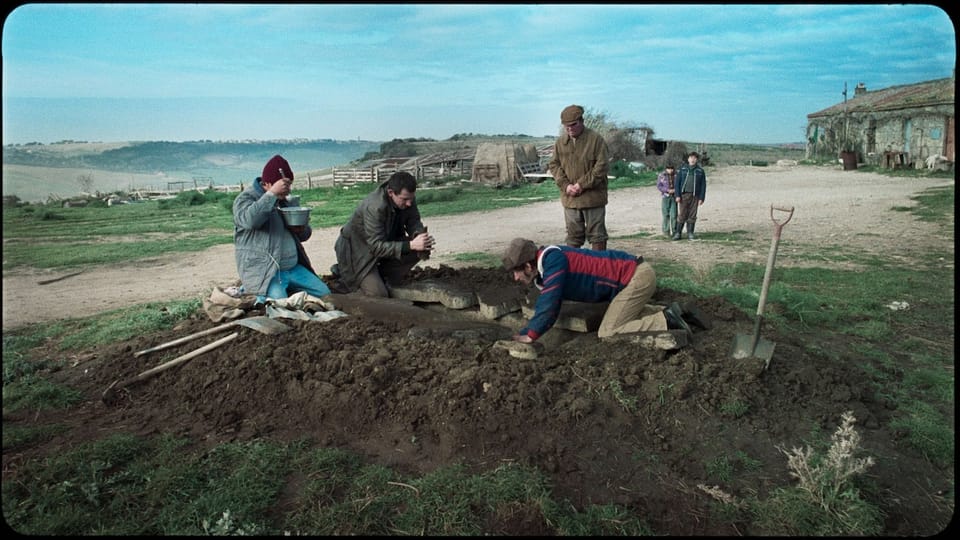
La Chimera is a window into that reality. The film, an Italian/Swiss/French coproduction by director Alice Rohrwacher, stars Josh O'Connor—my new favorite actor—and Isabella Rossellini. It garnered a Palme d'Or at 2023's Cannes Film Festival.
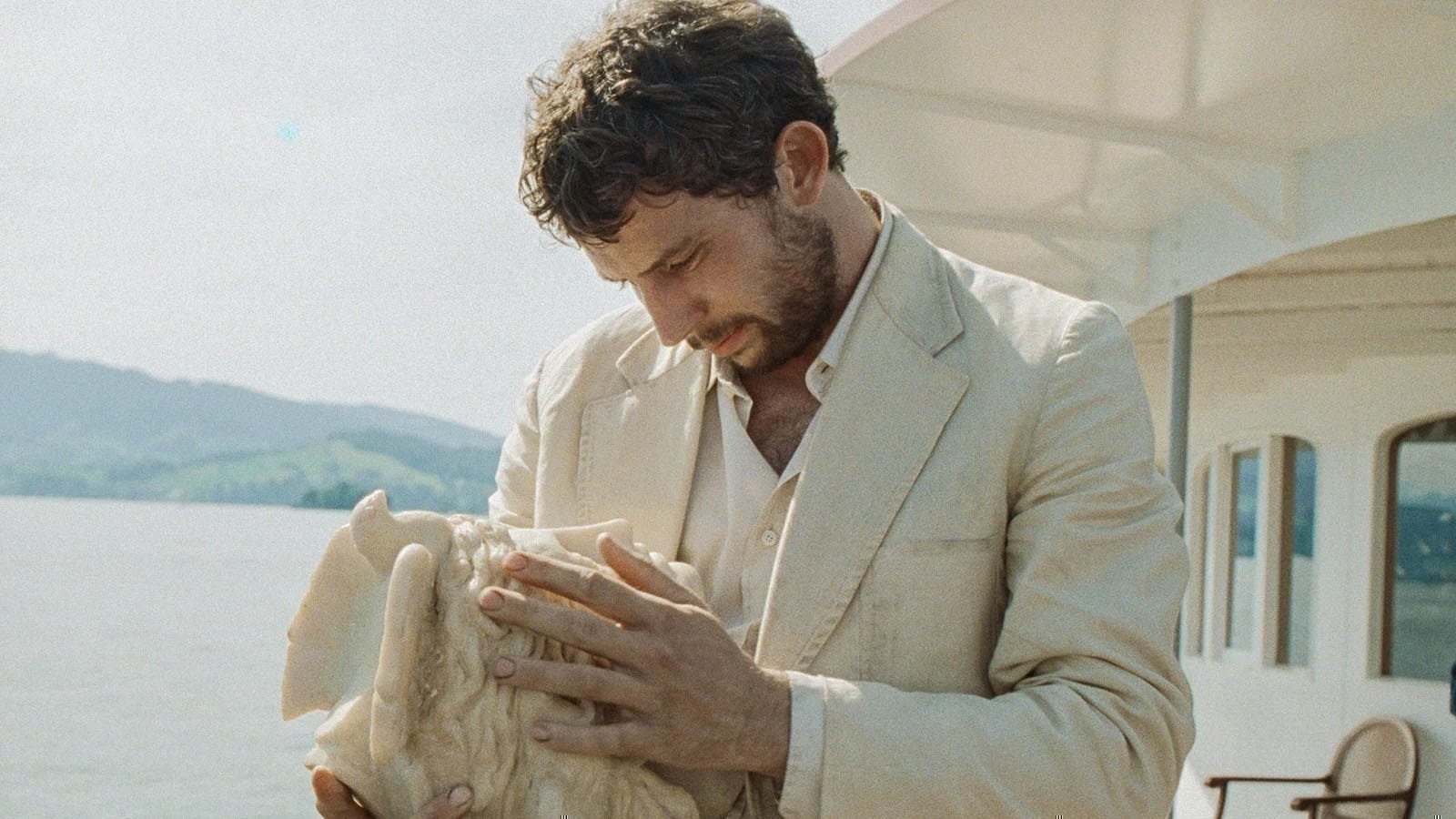
O'Connor plays a disgraced former archaeologist with a preternatural connection to the past. He's used his talent, or maybe curse, to locate and rob antiquities from Etruscan tombs in rural Tuscany. Just released from Italian prison at the start of the film, he's immediately seduced back into his illicit ways by his gaggle of idiot friends who pester him like a band of harpies.
La Chimera is a slow, atmospheric film about connection to and exploitation of the past. It's both a personal story of a man so mired in grief that he can't seem to disengage from literally digging up the past and a story about how modern systems of capital exploit that past. I'm not kidding about that second part. There's a scene at an illicit antiquities auction that devolves into various characters growling at each other like animals. It's a film that doesn't mind sliding from realism to absurdism and back within a single scene.
People always imagine archaeology taking place in beautifully manicured parks, or overlooking picturesque vistas. They imagine we mostly excavate things that were once beautiful and monumental. Most of the places I worked were in small agricultural towns. The sites were on the edge of some farmer's field, or maybe next to a bus station parking lot strewn with litter.
By its very nature archaeology is about digging up the stuff that people either forgot about or didn't care enough to rob themselves. It's mostly ancient garbage pits and buildings that fell down due to disaster or neglect. Graves only survive undisturbed because people forgot about them.
La Chimera understands and depicts archaeology's inherent melancholy nature better than I've ever seen before. The parts of the Tuscan landscape it depicts viscerally remind me of places I'd spend my summers. I swear I could smell the damp soil as Josh O'Connor ran his fingers through it.
There's a texture to what Rohrwacher has created here. It's something really beautiful that's well worth seeing for yourself.
The Mastermind
Imagine the critical components for a heist movie: fast pace, intricate planning, elaborate action choreography, a charismatic lead.
Now strip that all away. Make it slow. Make it atmospheric. Make it haphazard. Make your star a bit of a loser. Now you have Kelley Reichardt's The Mastermind.
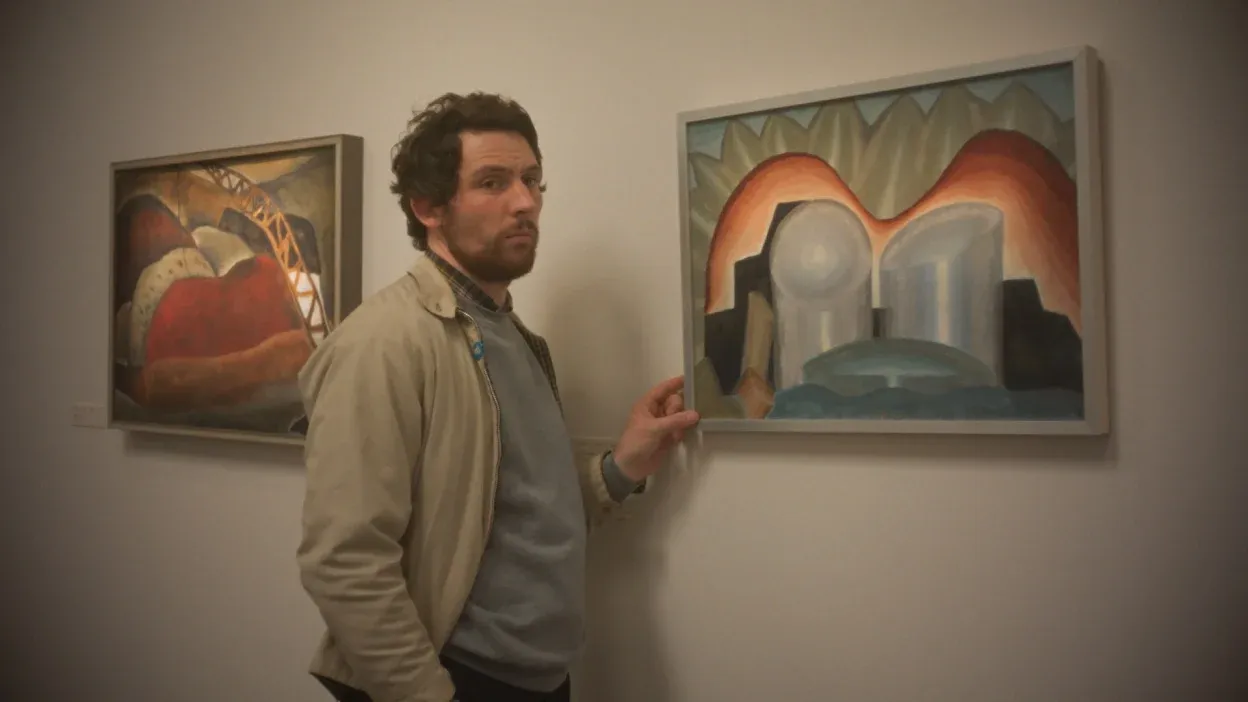
Set in 1970, amidst the societal upheaval of the Vietnam War and student protests, The Mastermind is the story of a down-on-his-luck Josh O'Connor, who decides to change his fortunes by robbing the local suburban art museum.
This is the kind of work that's almost all show and no tell. Character motivations are either withheld entirely, or only revealed slowly over time. The viewer has to do the work to observe and derive meaning themselves. It's not an easy pitch for a movie to throw on at the end of a long day.
My take—which you can skip if you want to come to your own conclusions—is that at its core The Mastermind is a film about masculinity and perceived status. We learn that Josh O'Connor failed out of an art PhD program. He tells his wife (Alana Heim, from the band Haim) he "mostly" did it to help the family, but we get the sense that he was motivated by a discontent with the blue-collar carpentry trade he'd ended up in. Even as he's forced on the run and increasingly forced out from society there's no sense of solidarity with fellow outcasts—the hippies, students, draft dodgers, and civil rights activists. It's the quiet tragedy of a man destroying himself because he refuses to understand where he fits into society.
The Secret Agent
Like many of the best films of 2025, The Secret Agent (O Agente Secreto) defies easy categorization. Both its title and its typical description as a "historical political thriller" suggest a tone and pace that the film deliberately eschews. It's a film that's both nostalgic and a commentary on a history that many Brazilians would rather forget.
This is the exact kind of movie I struggle the most to write about. Experientially, I loved this film. But I can't sit here and claim I have anything but the most cursory knowledge of Brazilian culture or history. I could tell you that the film is set in Mendonça Filho's seaside home city of Recife amidst the contradictions of a booming economy and an increasingly brutal military dictatorship in the 1970s, but I'd just be repeating what I read on Wikipedia after watching it. It's context that's beneficial, even crucial to understanding the film, but I don't think it's my place to give it to you.
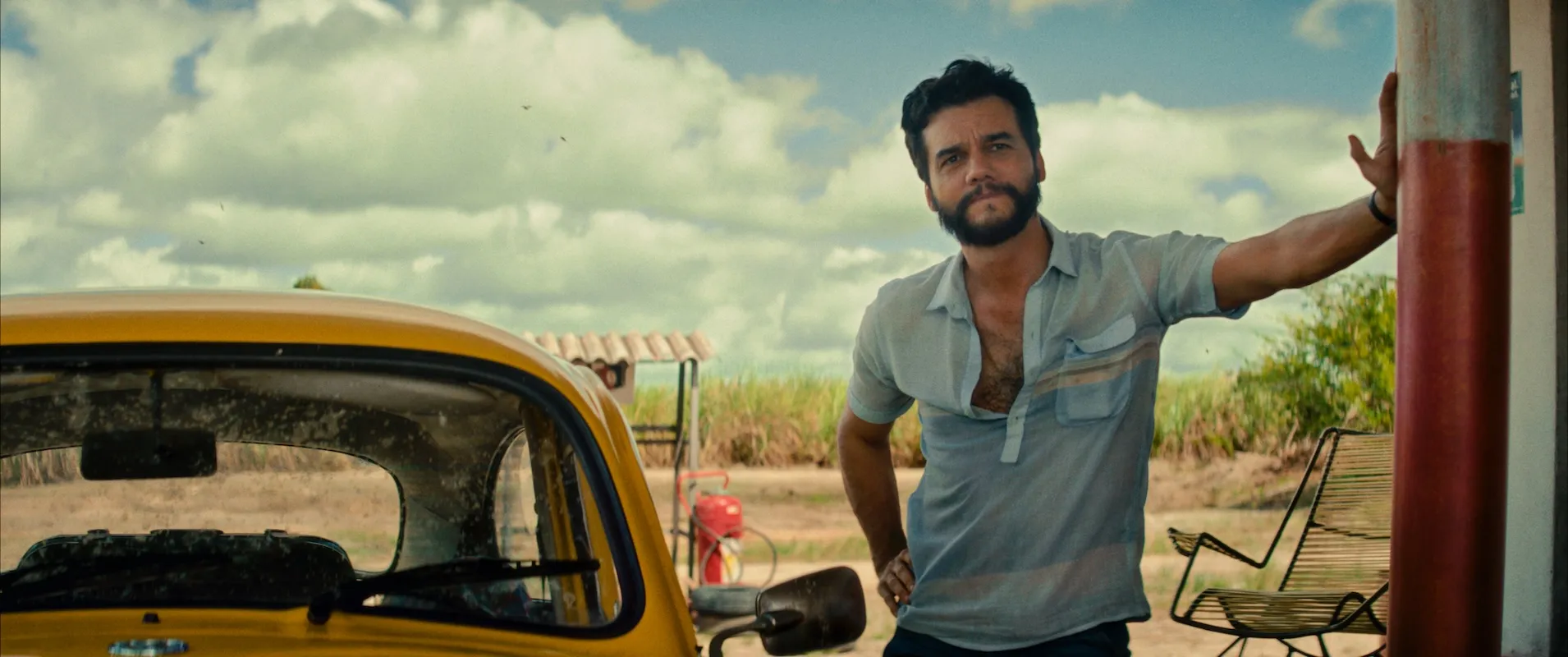
What I can tell you is that this film is visually stunning. It portrays a vision of Brazil that's impossibly vibrant but also feels so real and lived-in. The relaxed pace immerses us in its world. We get to spend time with characters, get to see how they behave and spend their day long before we understand why we're even following them.
Wagner Moura (Civil War, Narcos) gives a sublime performance as a man ground down by years in an oppressive, corrupt regime. I don't put much stock in award shows, but I sincerely hope we see him nominated for this role at the Academy Awards.
I went in expecting a film about political subversion and sabotage—fighting back against a repressive regime. But The Secret Agent is the story of people just trying to survive and escape.
Films of Rob Reiner
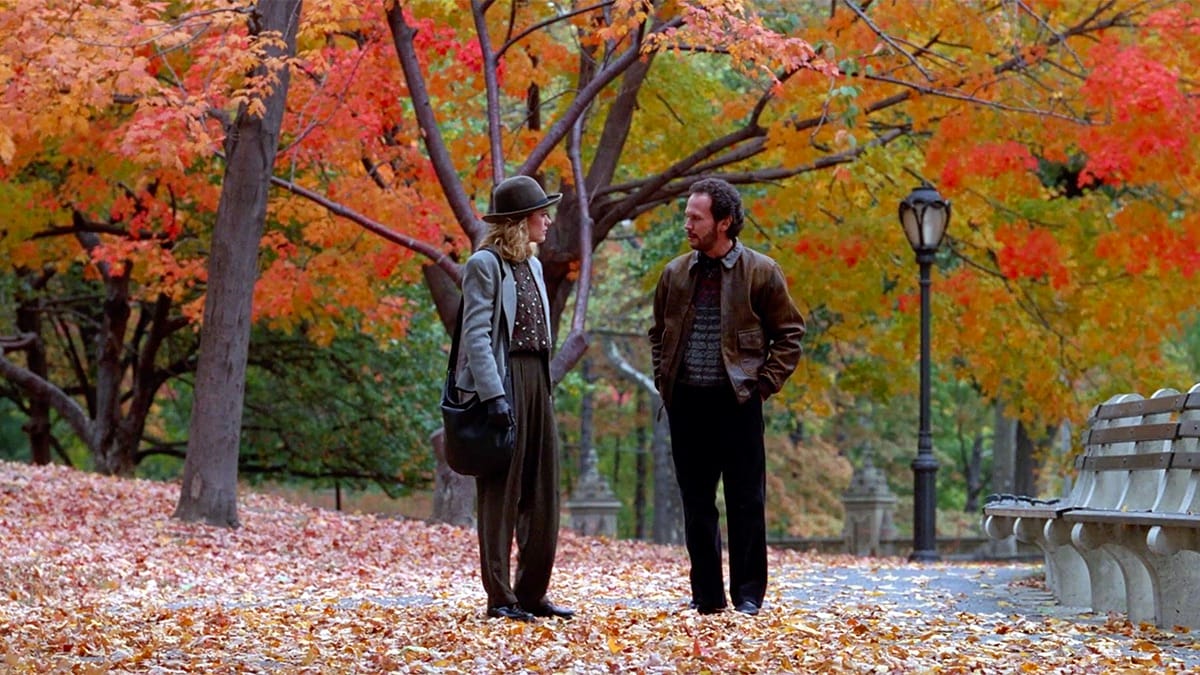
When Harry Met Sally...
This is really just one of the best movies.
I love that you can see the distinct prints of both Rob Reiner and Nora Ephron on this film. Ephron brings her flair for emotional depth and fully fleshed out characters, while the dialogue largely reflects Reiner and Crystal's Borscht Belt sensibilities.
I love how central Meg Ryan's changing hairstyle is in the depicting the passage of time.
Maybe next year I'll plan a screening timed so that the New Year's countdown in the film lines up with the real world countdown?
The Princess Bride
The highest compliment I can give this is that I didn't watch it growing up but still love it. My affection isn't tainted by childhood nostalgia. It's just a good movie! Also, should I read the book?
Stand By Me
I can't believe I watched this as young as I did, it's a far darker take on boyhood and coming-of-age than I remembered.
It's tragic that the strong performances by the young cast are largely motivated by real-world trauma the actors faced at home.
There's something very telling about Baby Boomer sensibilities that most of the film's runtime is dedicated to boys being vulnerable about the trauma's they've experienced, only for the climax to be Wil Wheaton learning to "man up" and threaten violence against the bullies that have wronged him.
Thanks for reading and please consider coming to an upcoming showtime!
 Tyler Haas