Weekly Roundup: Titanic, Sinners, Sentimental Value
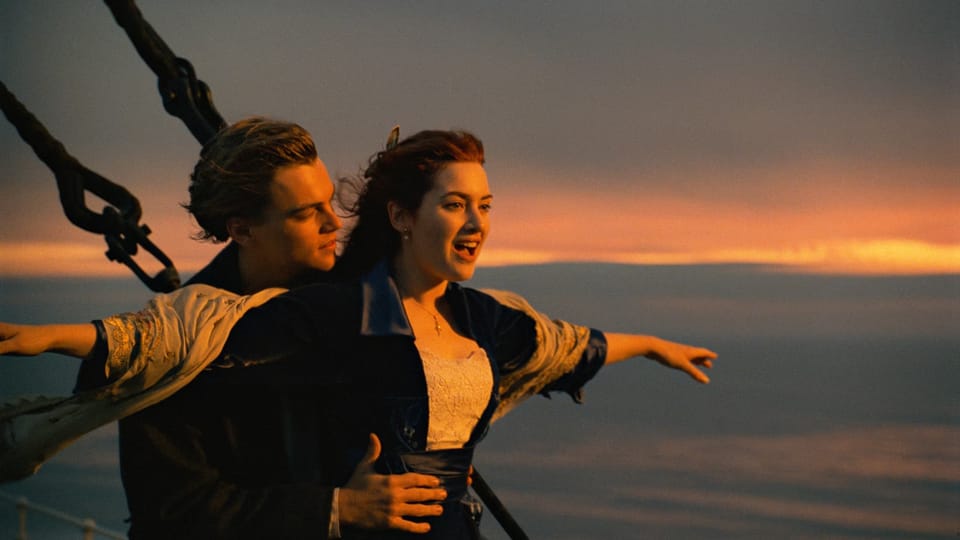
This week I’ve been thinking about the value of shared cultural touchstones.
It’s been on my mind because of the Super Bowl, and more specifically Bad Bunny’s halftime show. While I’m neither a football fan nor a Bad Bunny knower, I was moved by the collective joy I saw in person and on social media over the past week.
In our increasingly fractured media landscape, these shared cultural moments take on greater importance. On-demand algorithmic entertainment means we’re never watching the same things at the same time and I think we lose something because of it.
Sports—for better or worse—remain our greatest shared touchstone. While I complain about American professional sports—the inconvenience of watching without cable packages and the growing societal hazard of sports betting in particular—I appreciate how sports provide a bridge across generations and cultural barriers. I’ve come to consider it a civic virtue to have a cursory knowledge of local sports teams, enough to strike up an idle conversation with someone you might meet in passing.
Movies may no longer hold the cultural preeminence they once did, but they still serve a role as shared touchstones. In the past few years I’ve become an evangelist about the virtues of the theatrical experience in particular. Taking time out of your day to go to a physical place and sit with a bunch of strangers from your community and experience emotions together is a good thing! We should all do it more!
This is also on my mind because I saw two screenings in theaters this week: Titanic and Sinners. Both are incredibly well-crafted films with broad popular appeal and I’m deeply thankful to re-experience them in a theater surrounded by an engaged audience. There’s just nothing else like it.
Here’s what I watched this week:
- I saw Titanic in a theater on 35mm for the first time since Christmas 1997. It still rules.
- I also watched Sinners on the big screen in glorious 70mm at Oakland’s Grand Lake Theater. Even on my third viewing, it was incredible.
- I crossed the last major Oscar nominee off my list: Joachim Trier’s Sentimental Value. An excellent film about learning to live with generational trauma.
Titanic
James Cameron’s Titanic is one of the greatest films of the 20th century, but when I say this to people it either provokes looks of bewilderment or uncertain laughter.
Why should it be remotely controversial to acknowledge one of the most critically and commercially successful films of all time as one of our greatest? I submit that the answer is elitism.
James Cameron has spent his career perfecting the art of pouring unimaginable levels of craftsmanship (and money) into films to achieve the broadest possible appeal.
And that’s the thing—Titanic is a broad film. It’s a sweeping, epic romance about doomed lovers on a doomed ship! Of course it’s broad! But broad themes and storytelling don’t mean bad themes and storytelling.
When I saw Titanic on Christmas Day with my family at the age of ten I loved it. I got older, and like the rest of society began to regard it as a bit of a joke. Then my frontal lobe finished developing and I can now confidently say that this film rules.
Watching Titanic is like inspecting a finely crafted watch. Looking past the flashy action and romance you start to appreciate how intricately Cameron has arranged everything. In the first two hours we are methodically given a tour of the ship and our cast of characters. We build a mental geography of her decks and learn to spot the differences between first and third classes. We come to know the passengers and crew through fleeting interactions and snippets of dialogue.
We’re shown all this so that when the iceberg hits and the water starts rising, we never struggle to keep up as we cut rapidly from scene to scene. In the ship’s final minutes we experience small moments of tragedy as we see background characters we’ve come to recognize thrown into the icy water.
It’s incredibly methodical filmmaking and it’s the reason you find yourself glued to the screen for the entire 3+ hour runtime.
I love how the film deftly pivots from upstairs-downstairs period romance to disaster thriller right as the iceberg is sighted. In the hands of other directors it would feel like two incongruous genres stitched together at the midpoint, but Titanic makes it work.
I love how Gloria Stuart, who played Rose as an old woman, was an actual silent film era star and remains the oldest woman nominated for an Oscar.
I love this one insane scene in the opening when Bill Paxton and Lewis Abernathy walk and deliver expository dialogue while a goddamn helicopter hovers in the background.
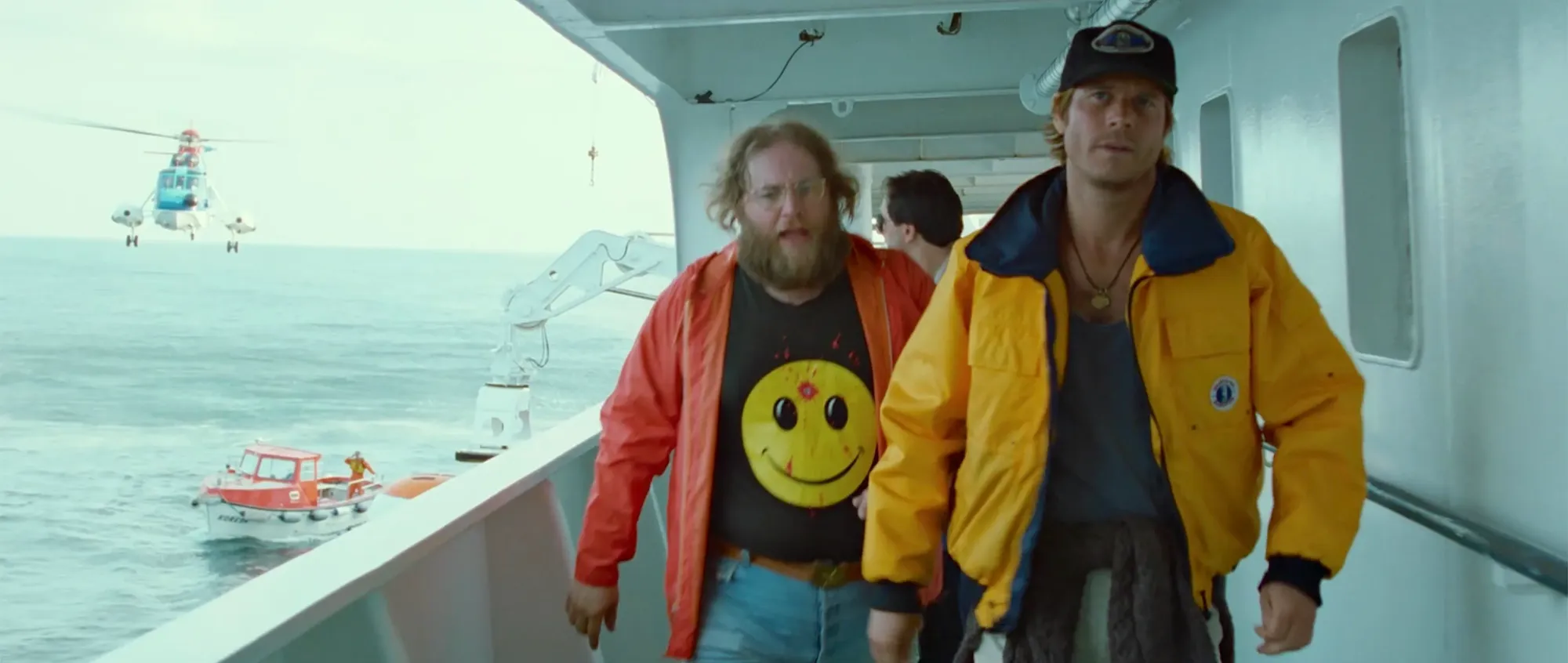
Do you have any idea how much this must have cost?! They’re on an actual boat in the actual water with an actual helicopter hovering 30 feet above the water. Every second of film must have cost a million dollars. Only James Cameron and his insane ego would even consider filming it this way. I love it.
Sinners
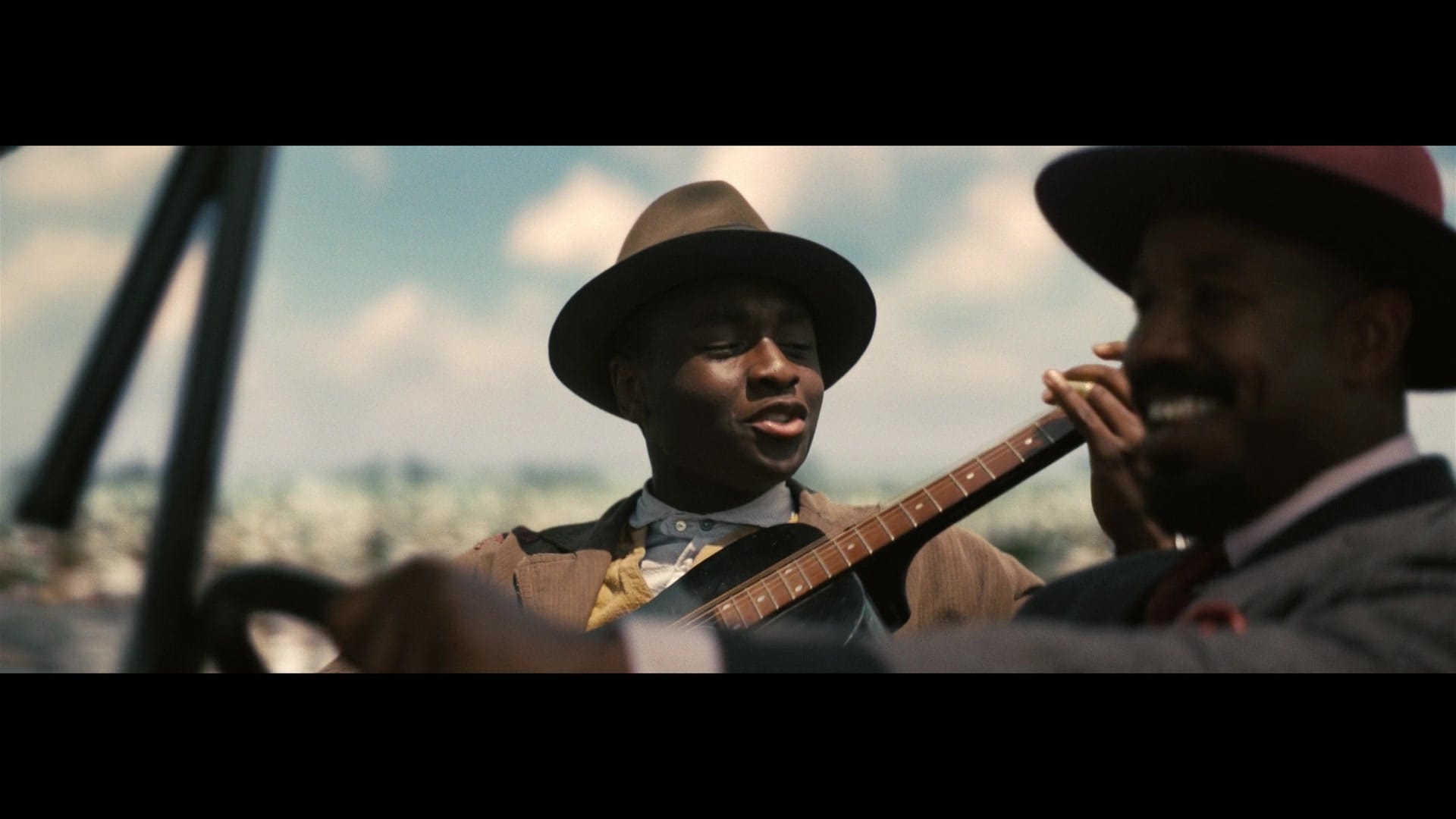
If you’re reading this, I’m going to assume you’ve already seen Sinners or at least heard from many other people how great Sinners is. On the off chance you haven’t yet, let me tell you now: go watch Sinners, it’s a masterpiece.
With Sinners finally breaking Titanic’s record as the most nominated film in Oscar history, I can’t help but reflect on their similarities.
To be clear, before someone gets mad at me for that comparison: Sinners is dealing with subjects and themes that are far more complex and nuanced than Titanic does. What it has to say about Black culture and the search for freedom in America, the power of community and the lure of cultural homogeneity, the ability of art and music to transcend time and space, it’s all far more layered than what Titanic attempted.
But all that being said, they’re both genre mash-ups that sought and found broad popular reception by packaging their messages in crowd-pleasing formats. Both were helmed by technical visionaries, with Ryan Coogler (Creed, Black Panther) leading an industry-wide charge in favor of auteur cinema captured on physical film. Sinners even executes a similar mid-runtime pivot as Titanic, with the first hour being a vampire-free period piece about Black gangsters in the sharecropping South.
What I’m getting at here is that I’m glad we are embracing and rewarding films like Sinners that believe you can entertain and engage with audiences intellectually at the same time. I’m glad that something with such mass appeal is also so visionary and artistically ambitious.
Sentimental Value

Sentimental Value was the last film on my long backlog of 2025 award season contenders that I’ve been working through since late November. I’m very pleased it ended on a high note.
Joachim Trier’s (The Worst Person in the World) latest film is an exploration of father-daughter relationships, generational trauma, and the art of filmmaking itself. It follows film director and estranged father Gustav Borg (Stellan Skarsgård) attempting to reconnect with his daughters (Renate Reinsve and Inga Ibsdotter Lilleaas) while directing a film based on a trauma from their family’s past.
What most impressed me about Sentimental Value was its ability to cover so much dramatic and thematic territory without ever feeling bogged down. The film doles out information selectively and with great care. We are able to learn about this family and their history going back generations through snippets of information given at exactly the right moment. It’s masterful screenwriting conveyed through subtle acting that’s incredible to watch.
This kind of Nordic prestige drama can be a tough sell for a lot of people, but I’m here to tell you that it’s a really rewarding and surprisingly uplifting experience. I highly recommend giving it a watch.
Thanks for reading and please consider coming to an upcoming show!
 Tyler Haas