
Weekly Roundup: Wake Up Dead Man, the Last of Sheila, RIP Rob Reiner

The news about Rob and Michele Reiner is truly horrible and tragic. Between the films he wrote, directed, appeared in, and produced (either personally or via the company he founded), he almost certainly helped create a film that means something to you. What a career.
Here's what I watched this week:
- Wake Up Dead Man. I actually saw this a few weeks ago, but it's new on streaming and I've been thinking about its depiction of faith so I'm going to talk about it.
- The Last of Sheila, a film from 1973 that Rian Johnson credits as a direct inspiration for Knives Out. No spoilers: it rules.
- To Have and Have Not, a sort of off-brand Casablanca starring Bogart and Bacall with a legendary production crew. Is it any good? Read to find out!
- We also had our inaugural Cinema Tyler screenings:
- Wes Anderson's take on global capital and the ultra-rich in The Phoenician Scheme
- and The Family Stone, a holiday comedy of errors about familial love and dysfunction starring another screen legend we lost this year.
This review does not contain any spoilers
I'm as surprised as anyone that Wake Up Dead Man, the latest entry in Rian Johnson's Knives Out series, contains the most sensitive and earnest depictions of faith in this year of film.
Johnson stays true to the broad outlines of the first two films but tweaks it just enough to shift the tone decidedly dramatic. Yes, you still have Daniel Craig doing a knowingly campy southern accent, but its core struggle is weightier.
The central drama, and the setup for the mystery, is two priests' divergent visions for the role of faith and the church. For Josh O'Connor (Challengers), a young priest with a troubled past, faith is a tool for healing and redemption. For Josh Brolin (No Country for Old Men) faith is a cudgel and a wedge that he uses to exert increasing control over the remnants of his dwindling flock. It's a proxy for the real struggle we're experiencing as a society: what is the role of faith and who gets to determine who can be saved?
O'Connor's quiet earnestness is used to devastating effect throughout. There's a scene in the middle of the film that begins with a breakneck comedic pace and suddenly pivots to sombre when O'Connor is asked for spiritual guidance from a woman in emotional crisis. It's a beautiful moment and the kind of tonal shift that absolutely shouldn't work. Somehow O'Connor does it. He's quickly establishing himself as the most exciting actor of his generation in my book.
The film's final trick is reaching its dramatic climax with a confession. Not a just a confession of guilt, which any good whodunnit needs, but a spiritual confession between parishioner and priest. I can't give you the details without spoiling the whole thing, but I'll say that even as a person with zero religious faith myself I felt the emotional catharsis of this character unburdening their soul.
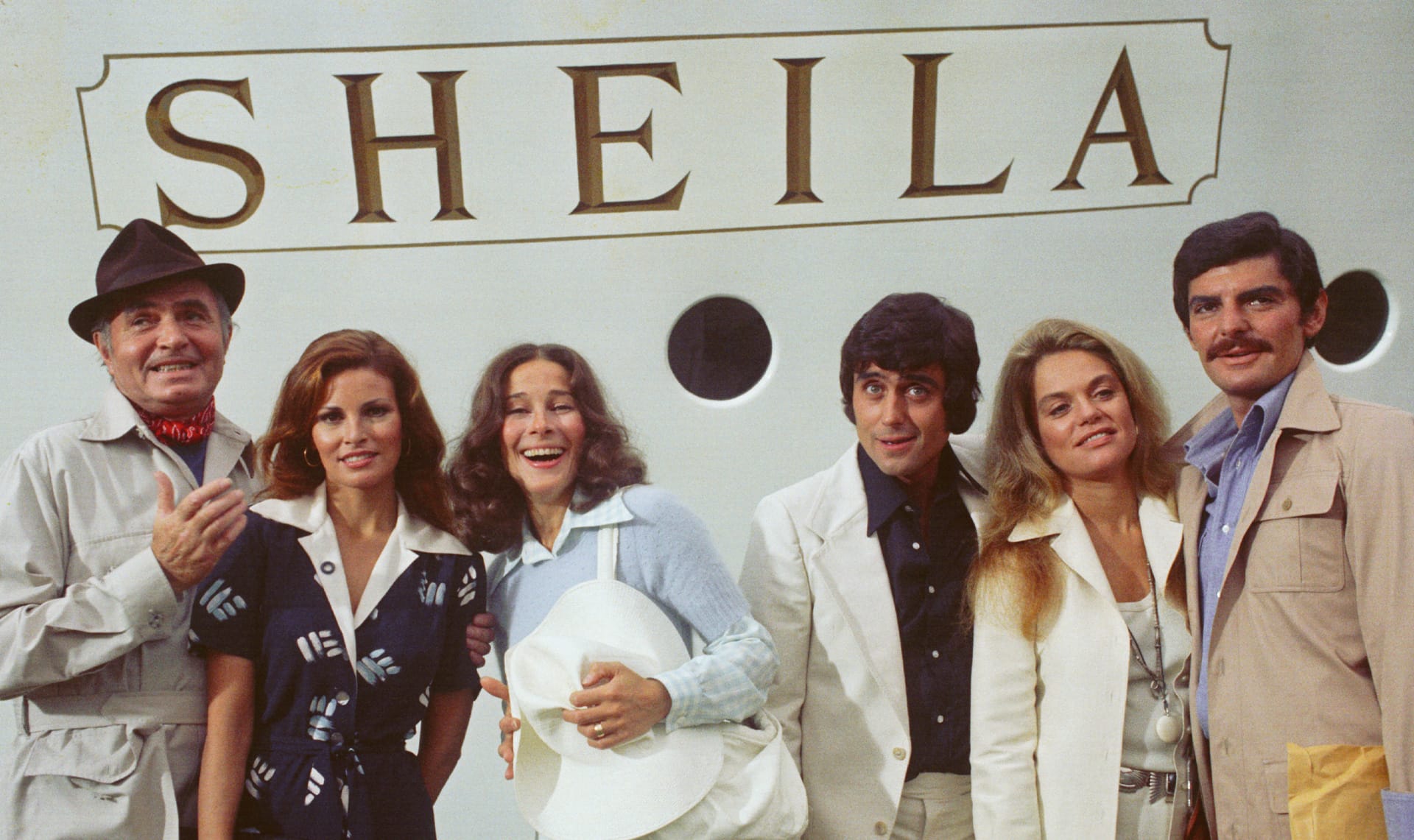
If it weren't for the Knives Out films, The Last of Sheila would be the dictionary definition of "type of movie we don't make anymore". It's a stunningly clever whodunnit featuring an ensemble cast of '70s stars and character actors, with a script by Anthony Perkins (Psycho's Norman Bates, father to Osgood) and Stephen Sondheim.
I can't say too much for fear of spoiling the fun, but it follows a group of actors and filmmakers lured onto the yacht of a famous producer with promises of roles on his next picture. Once onboard, they're forced to play a game that threatens to reveal their worst secrets. Events ensue.
Just like Knives Out, it's brilliantly written and acted, with new turns every time you think the mystery is solved. Just like Knives Out, its plot hides a sharp social critique. And just like Knives Out, I strongly recommend it.
Fun side note: I told my mom I'd watched this and she revealed it's her best friend's all-time favorite movie. My grandfather had taken them all to see it back when it was released. One year Auntie Jan even gifted all her friends custom-made Last of Sheila tote bags. How cool is that?

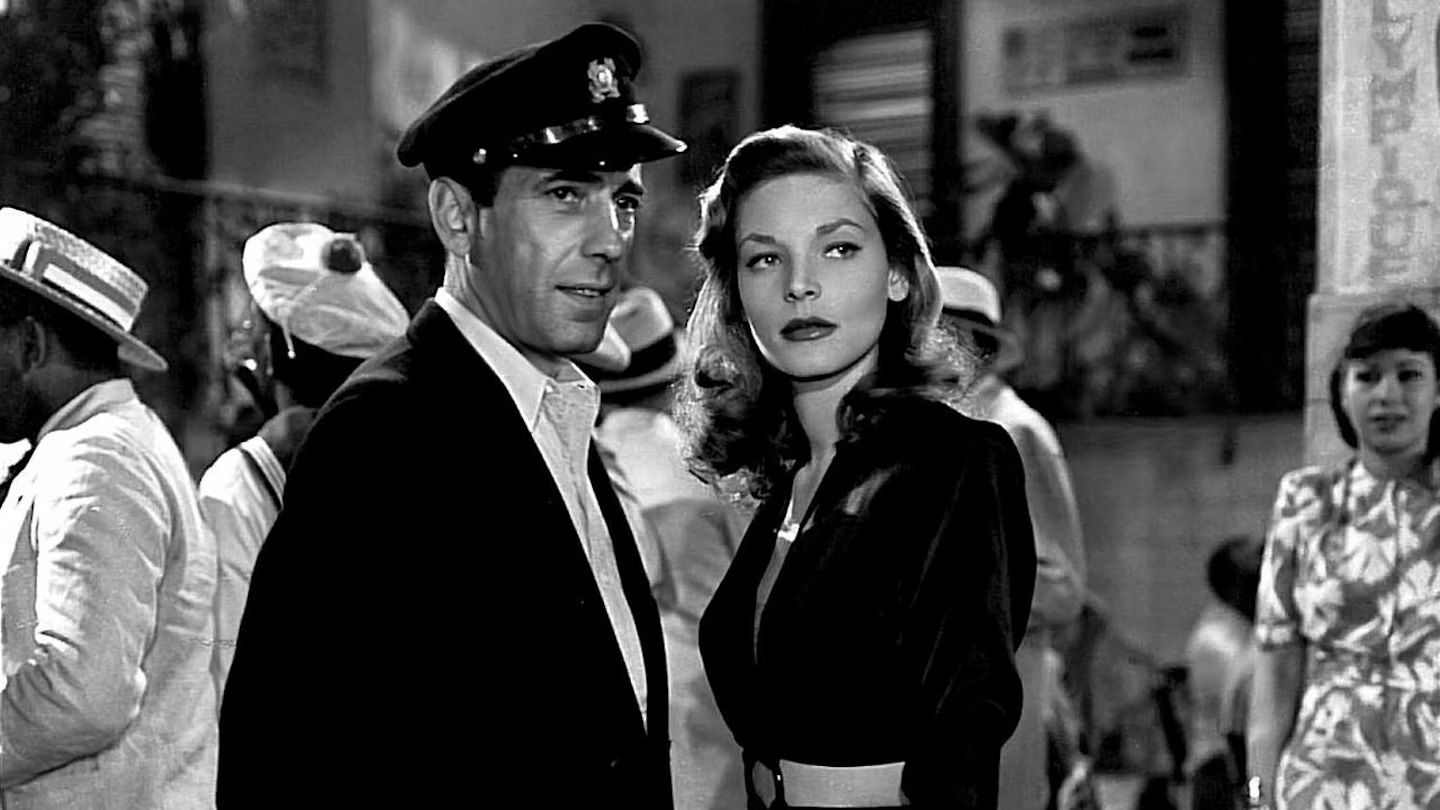
To Have and Have Not is a study in how a film can be less than the sum of its parts.
It stars Humphrey Bogart, just a few years out from making Casablanca, playing virtually the same character against a broadly similar plot of WWII occupation and resistance. Opposite him is Lauren Bacall—recently married in real life—looking possibly the best anyone ever has on screen. They're directed by Howard Hawks, who Jean-Luc Godard once called "the greatest of all American artists." It's based on a book by Ernest Hemingway with a screenplay written by William Faulkner. To my knowledge, it's the only film with writing credits featuring two Nobel Prize winners.
You'd think that would be pretty good. You'd be wrong!
It's not a terrible movie, but it's deeply mediocre. They tried to recapture the magic that was Casablanca and they failed. I'd recommend you just watch that movie instead.
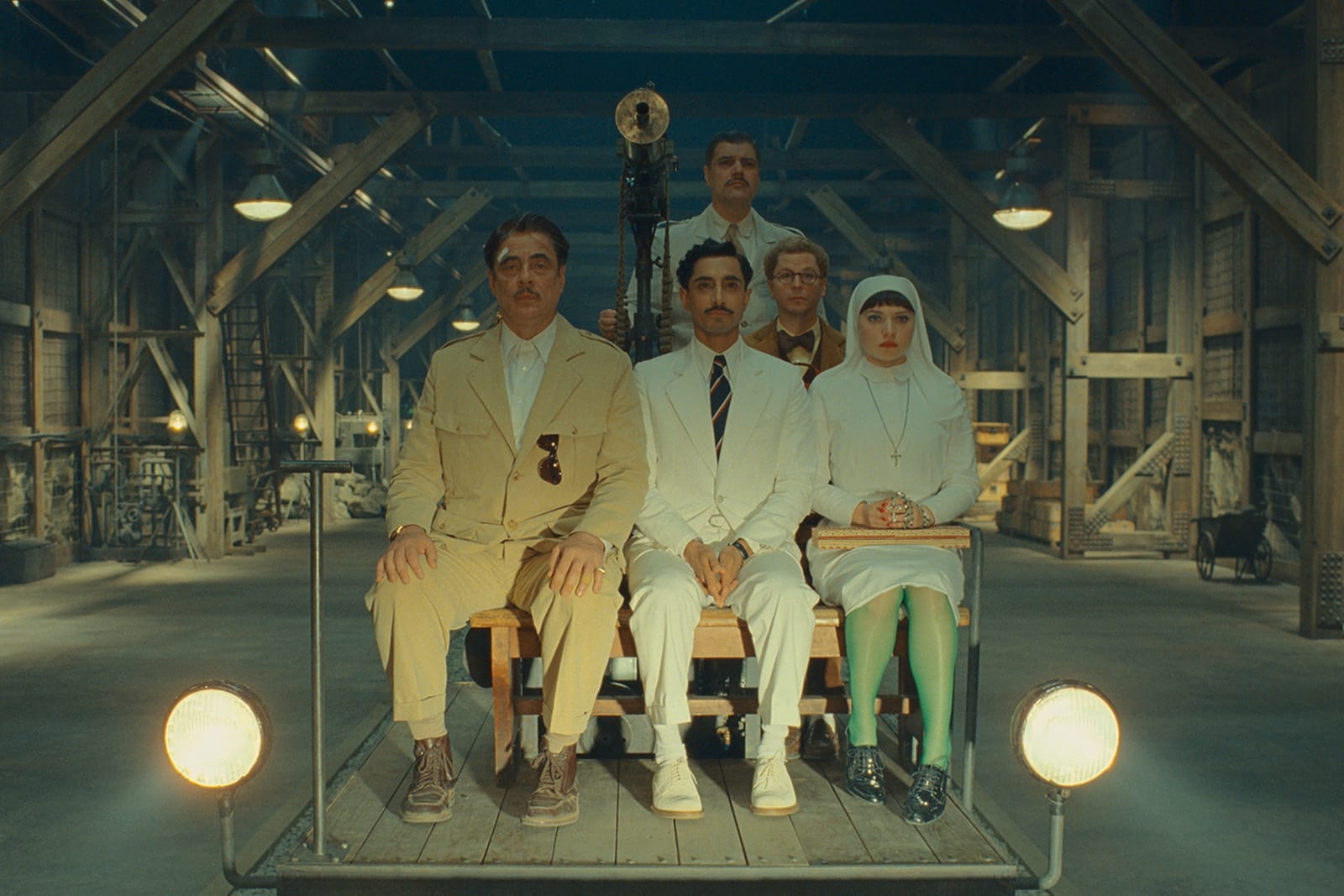
Don't let the affected diorama aesthetic of Wes Anderson's films fool you into thinking they lack emotional depth.
Once you peel back the layers of beautiful, handcrafted artifice, you're left with dramas about characters undergoing tremendous emotional distress. His films are full of distant, absent, or disappointing fathers and the stunting effects they have on their children (cf. any film from Rushmore to Moonrise Kingdom). He seems preoccupied with the visual trappings of wealth and status, often displayed by characters who are idly rich and downwardly mobile. And, increasingly, current events are seeping into his films.
If Asteroid City (2023) was an allegory for the COVID-19 lockdown, then The Phoenician Scheme is about [gestures vaguely] everything else we've been going through in recent years. It's about the secret machinations of the rich and powerful and the hoarding of wealth and its deleterious effects on the soul.
Also, it features Tom Hanks and Bryan Cranston playing a game of basketball against Riz Ahmed, all wearing vintage athletic wear. It's still a Wes Anderson movie, after all.
If, like me, you're a Wes Anderson fan who's lapsed in recent years, I'd recommend giving this one a try.
A charming aspect of building a life with a partner is inheriting their holiday media traditions.
Every year, Ally puts up with me playing the soundtrack from A Charlie Brown Christmas on endless repeat—never mind that I've never watched the movie—and watching the black-and-white classics my grandfather would watch when he'd visit. In turn, she's shared her holiday canon with me, mostly comprised of rom-coms from the early-2000s: The Holiday, Love Actually, and this film.
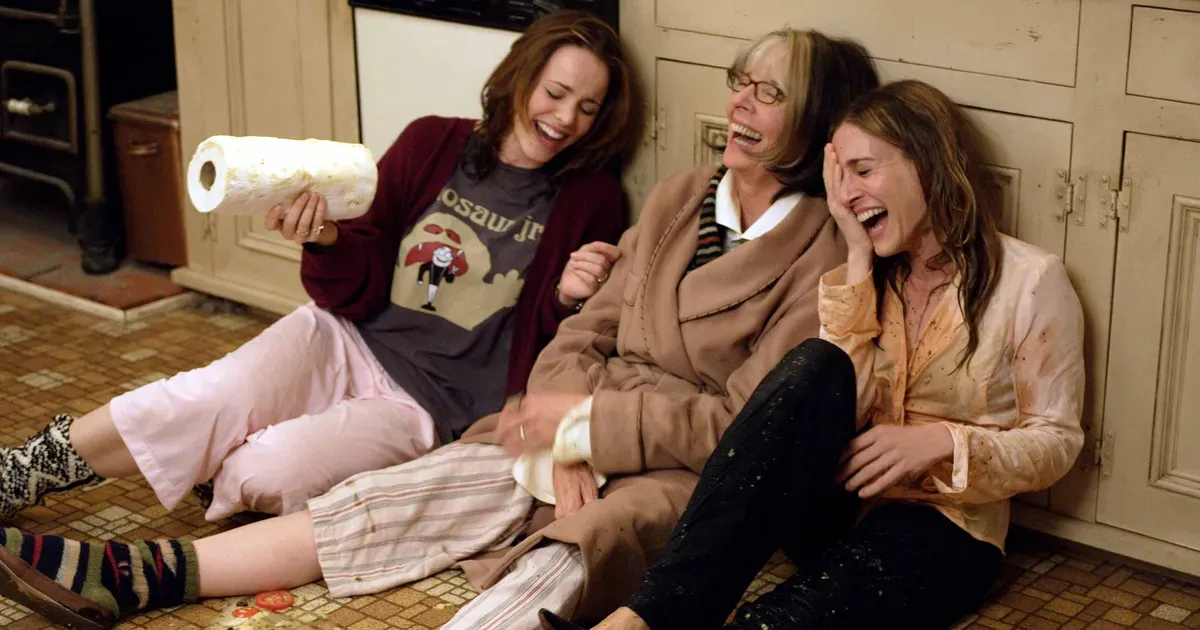
The Family Stone is a romantic comedy/drama about a son (Dermot Mulroney) bringing the woman he intends to marry (Sarah Jessica Parker) home for the holidays to meet his family (Diane Keaton, Craig T. Nelson, Luke Wilson, Rachel McAdams, et al.) The chaotic but tight-knit family immediately clashes with the uptight newcomer. The film unfortunately mismanages this dynamic to the extent it almost derails the whole thing.
The Meet the Parents-esque comedy-of-errors between SJP and the Stone family just doesn't work. The family comes off as cruel, SJP is alternately pathetic and then randomly homophobic(?), Luke Wilson is meant to be a charming free spirit but reads as a bit of a sex pest. It's a mess.
The emotional lynchpin that ultimately saves the film is the slow reveal that Keaton's character is sick, and the entire family is processing that this is their final Christmas with her. It forms the backdrop of the film's best moments: quiet expressions of grief and love among the family members. Keaton is transcendent in those scenes, with a performance that hits even harder since her passing this October.
Like the family it depicts, the film is messy and flawed, but I can't help finding it a little more charming with each annual rewatch.
Thanks for reading and please consider coming to an upcoming showtime!
 Tyler Haas