Weekly Roundup: Wuthering Heights, Heartburn
The past week has seen cold, stormy weather in the Bay Area. Usually, that would translate to me sitting inside all day, marathoning movies while the rain pelts against the windows. But a hectic schedule and a desire to spend time away from screens mean I only watched two. Apologies for the dereliction in my solemn duty to bring you a heap of recommendations every week. I promise to do better.
Here’s what I watched this week:
- Wuthering Heights, Emerald Fennell’s bold, stylish attempt at adapting Emily Brontë’s Gothic classic
- Heartburn, an adaptation of Nora Ephron’s mostly-autobiographical novel of the same name about her troubled marriage to journalist Carl Bernstein
Wuthering Heights
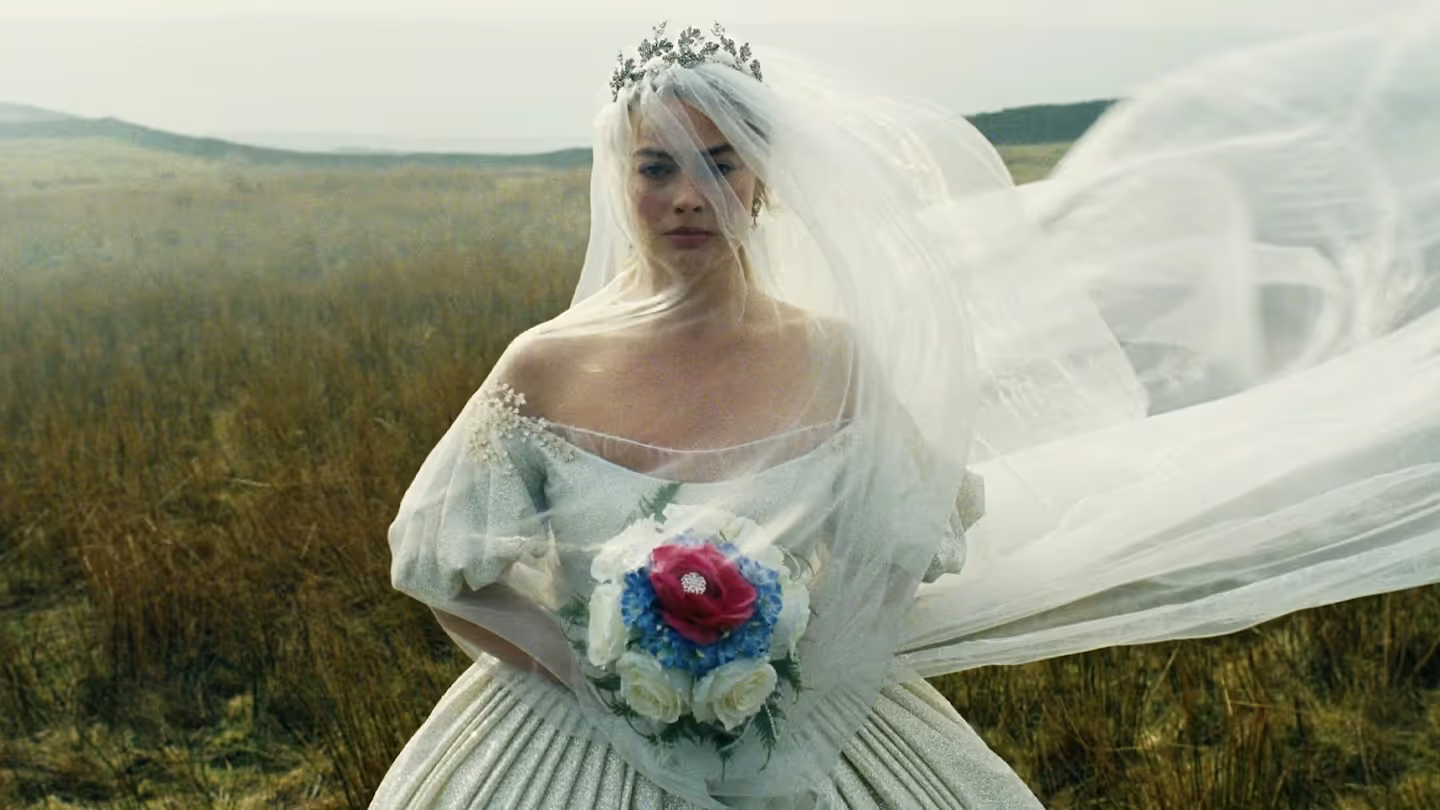
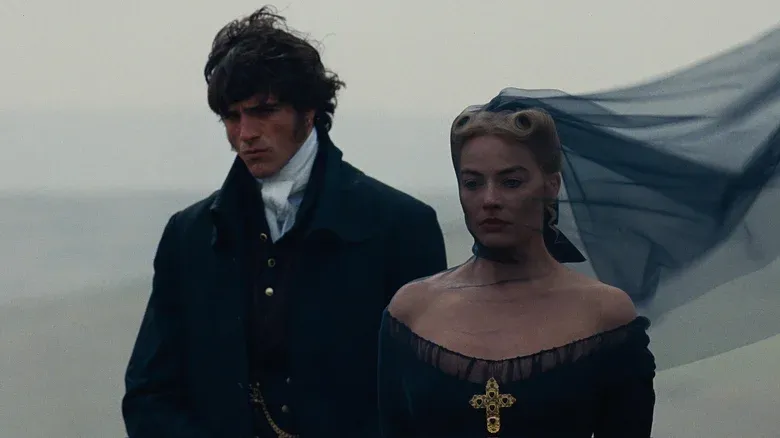
The worst thing a film can be is boring, especially when it’s trying to be transgressive. Emerald Fennell’s (Saltburn, Promising Young Woman) attempt at creating a modern bodice-ripper with a dark twist works for about a half dozen scenes, which are stitched together with two hours of surprisingly conventional costume melodrama.
Starring Margo Robbie (Barbie) and Jacob Elordi (very large) in the iconic roles of Catherine Earnshaw and Heathcliff, Wuthering Heights modernizes the Victorian classic by amping up the dark eroticism and adding a dash of BDSM-flavored fetish. The idea sounds good on paper and occasionally looks amazing, with big Gothic sets and bold cinematography. But the film overrelies on Fennell’s penchant for shocking viewers with ideas like “what if Jacob Elordi put your fingers in his mouth” or “what if Jacob Elordi covered your mouth and eyes with his very large hands.” Look, I’m not knocking it if that sounds exciting; I’m just saying you can’t hang an entire movie on it.
Aside from the vague sense that it’s a dark romance and maybe involves a ghost—the ghost is surprisingly omitted from this adaptation—I have no prior relationship with the source material. So, while I have no direct qualms with how Fennell has adapted it, I can’t help but feel that a great deal of nuance and complexity has been lost in translation.
There just isn’t much to say about most of the characters and their relationships to one another. Themes of love, lust, dominance, and submission are handled with such a broad dramatic brush that it all feels detached from anything resembling actual human interactions. Sure, it makes for striking and memorable scenes, but without emotional toeholds for the audience to grip onto, it feels like you’re being dragged from scene to scene.
If I allow myself to be cynical, it all feels like a way to craft art that people talk about without actually engaging with. Visually spectacular scenes perfect for social media clipping, a soundtrack by it girl Charli XCX, scenes that imply transgressive eroticism without actually showing it—all feel lab-grown to go viral on TikTok and get conversations started about “that scene”.
That’s almost certainly unfair of me—a sign that I’m dangerously close to “darn kids, get off my lawn” territory. I think Emerald Fennell has a unique eye and a twisted flair for storytelling and will continue showing up for her movies. I just wish I could get past the feeling that we’re getting more shock than substance.
Heartburn
In 1976, Carl Bernstein, fresh off of breaking the Watergate story and almost single-handedly bringing down the Nixon administration, met journalist and future screenwriter/director Nora Ephron. They were married for four not entirely happy years. Heartburn is Ephron’s sort-of-autobiography about those years.
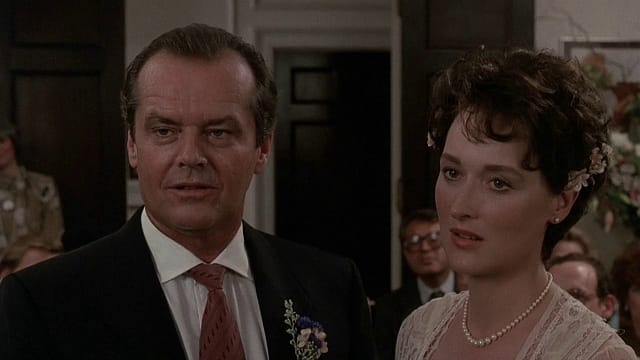
Starring Meryl Streep as New York-based food columnist Rachel Samstat and Jack Nicholson as DC journalist Mark Forman, the film is a roman à clef about Ephron and Bernstein’s struggle and ultimate failure to navigate life, careers, and his infidelity.
Given the pop cultural footprint of the leads and the people they’re portraying, I was surprised I’d never heard of Heartburn. The script is dripping with Ephron’s hallmarks: fleshed-out and nuanced female leads, portrayals of love and romance that balance sentimentality and realism, and vignettes that are so real they must have been drawn from observation.
Between this and re-watching When Harry Met Sally last month, I’ve realized that Ephron loves to tell a story with a strong connection to the passage of time. WHMS uses the changing seasons and fashions of New York City to tell a story of friendship-turned-romance that spans years. Heartburn charts the rise and fall of her marriage through the never-ending renovations of the couple’s Georgetown fixer-upper that serves as the film’s primary setting. It’s a wonderful visual metaphor for their relationship: a labor of love that she can’t fix no matter how much time and effort she puts in.
Other highlights include early-career appearances by actors including the late, great Katherine O’Hara, Jeff Daniels, Stockard Channing, a very young Natasha Lyonne, and Kevin Spacey—alright that last one is a bit of a jump scare, I admit.
The film’s main flaw is that it’s more rom than com. While Streep makes for an incredible Ephron leading lady—it’s fun to imagine Meg Ryan in the role and vice versa—Jack Nicholson is terribly miscast. His sinister energy is a poor fit for a rom-com, even if he is playing an unfaithful cad. You just can’t bring yourself to believe that Meryl Streep would marry Jack Torrance from The Shining and then stick around after he cheated on her.
Despite its rough edges, it’s a film well worth experiencing. Watching such a personal story by the woman who basically invented the modern rom-com feels like unlocking something. You come to appreciate how she still loves love and believes in love, even after suffering so much heartbreak. It’s beautiful, even if it’s bittersweet.
Thanks for reading and please consider coming to an upcoming show!
 Tyler Haas